

By Roger van Zandvoort

Curare has a powerful place in the history of medicine. It was known in Europe as the South American arrow poison that could paralyze an animal while leaving consciousness intact. Later, the study of Curare helped Western medicine understand the neuromuscular junction, and purified curare-like substances became important in anesthesia.
But for a repertory, historical importance is not enough. A remedy must have a reliable identity. We must be able to say: this name points to this source material, prepared in this way, so that provings, toxicology, cured cases, pharmacy preparations, and repertory entries belong to the same substance.
With Curare, we cannot honestly say that.
Older authors did not describe one stable source. Hering himself wrote that authorities disagreed about the composition of Curare, and that several quite different poisons were probably being called by the same name. Some accounts mention plant extracts. Others mention Strychnos, Cocculus, Chondrodendron, serpent venom, or even animal poisons.

This is not a small editorial inconvenience. It goes to the heart of remedy identity.
Many old remedies have imperfect documentation, but still point to a recognizable center. Nux vomica points to a plant seed. Aconitum napellus points to a known plant. Lachesis points to a venom source. Sepia points to a defined animal substance. Opium points to a known drug material. We may still debate preparation, potency, edition, or interpretation, but the remedy name itself is not empty.
Curare is different. Historically, "Curare" often names a function: arrow poison. It may refer to different plants, different mixtures, different regions, different pharmacy extracts, and different alkaloid profiles. It is closer to a class name, trade name, or regional preparation than to a single reproducible substance.
Later pharmacy preparations do not automatically solve this. A proving or cured case based on one pharmacy's Curare can only support that pharmacy material, if the source is documented. It cannot validate every other preparation sold under the same name. A label saying "Curare" is not proof that the material is identical to what Hering, Allen, Clarke, Wesselhoeft, or another author used.
This creates false precision in repertorization. The abbreviation cur. appears beside other remedies as though it were equally definite. But behind that abbreviation may be several different plant families, different alkaloigs, different mixtures, and different pharmacy traditions. The repertory then risks combining symptoms that may not belong to the same remedy at all.
For that reason, Curare should not be maintained as one canonical remedy in the Complete Repertory.
This is not a rejection of the historical literature. The old Curare material can still be preserved, studied, and cited as historical or toxicological evidence. But it should not silently support a modern repertory remedy unless the source material is known.
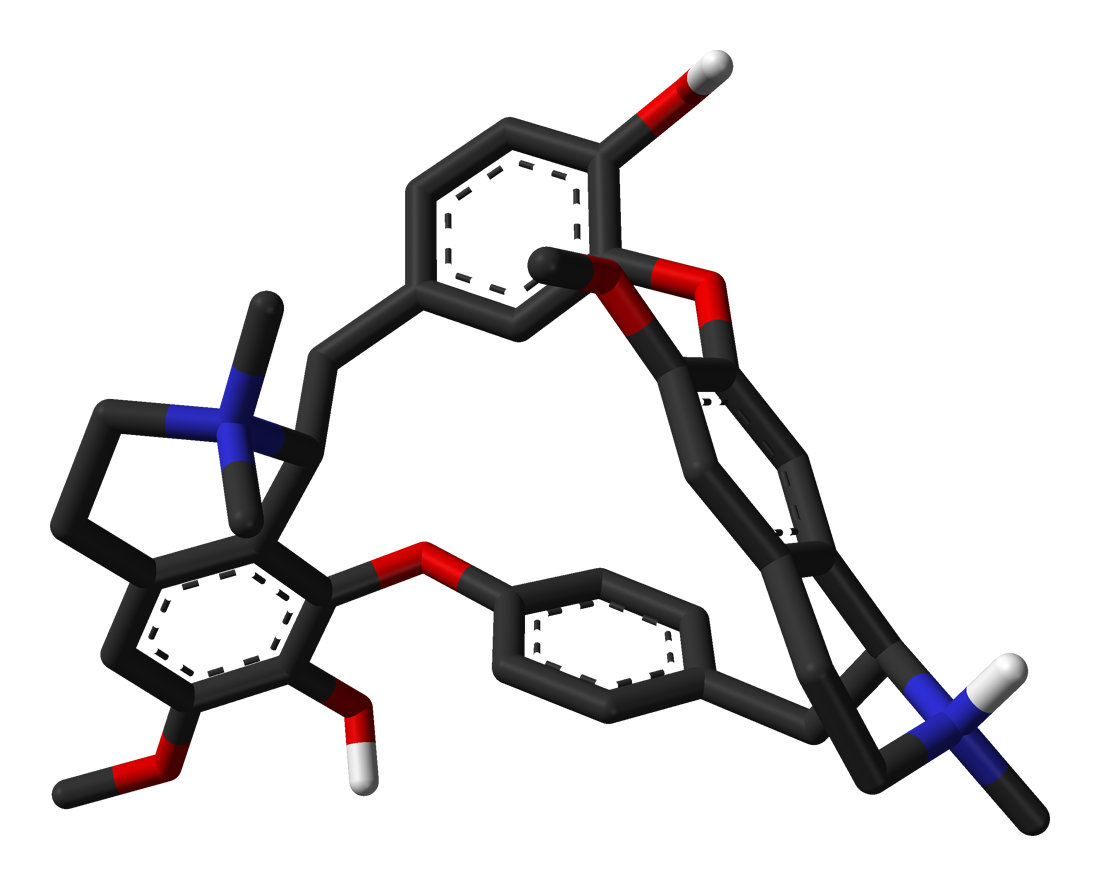
A future re-entry would have to be source-specific: a documented pharmacy preparation with a clear monograph, a defined botanical source, a known alkaloid preparation such as d-tubocurarine, or a proving and cured-case record tied to an identifiable batch or pharmacy standard.
Curare is not being removed because it is old, toxic, unusual, or inconvenient. Many remedies are all of those things and remain valid historical remedies. Curare is being removed because the name itself fails the basic requirement of remedy identity. We cannot show that the symptoms, provings, cured cases, pharmacy preparations, and repertory entries refer to the same reproducible starting material.
Without that continuity, "Curare" is not one remedy identity. It is a historical bundle.

Add comment
Comments
I accept